
















Engineering the next best thing for the digital world

We consult, engineer, and design technology solutions to address complex business challenges with precision.

Microsoft Partnership Google Partnership AWS Partnership Databricks Partnership
banner image

Modules

Master 9 core technical domains with 6-8 hours of deep-dive content per module. Designed for Simform-level interviews.

APA

Design Patterns

Singleton, Factory, Strategy, Observer, Adapter, Facade with IoT/Cloud mappings.

  • • 10-15 line code examples
  • • 20 MCQs + 5 scenarios
  • • Real-world IoT applications
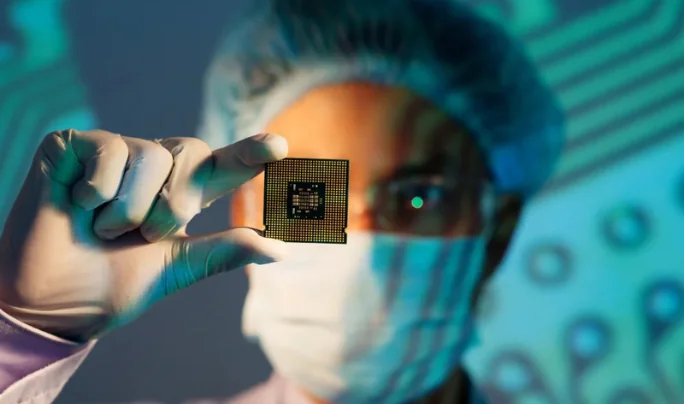
semiconductor - case study

PySpark & Data Engineering

DataFrame vs RDD, ETL pipelines, scaling techniques for big data.

  • • Mini ETL pipeline walkthrough
  • • Partitioning & caching strategies
  • • Databricks integration
AWS Partnership

Cloud & Multi-Cloud

Azure IoT Hub, Event Hub, AWS equivalents, multi-cloud adaptability.

  • • Azure vs AWS service mapping
  • • Zero-downtime migration
  • • Event-driven architecture
How Microservices are Transforming Industries

System Design & Architecture

Microservices vs Monolith, scalability patterns, latency vs throughput.

  • • Horizontal vs vertical scaling
  • • DB sharding strategies
  • • Caching patterns
Pentair

Databases

PostgreSQL, MySQL, MongoDB, CosmosDB, DynamoDB, TimescaleDB.

  • • Indexing & query optimization
  • • Partition keys & consistency
  • • Time-series data modeling
Auction mobility

Backend Languages & Testing

Python Flask/FastAPI, Node.js Express, testing with PyTest/Jest.

  • • useState & useEffect patterns
  • • Memory leak prevention
  • • Jest/TestCafe testing
Enterprise Kubernetes Strategy

Architecture Principles & DevOps

SOLID principles, CI/CD pipelines, Docker, Kubernetes basics.

  • • Azure DevOps & GitHub Actions
  • • Rollback strategies
  • • Kubernetes deployments
Goruck

Frontend (React Refresher)

Props vs state, hooks, lifecycle methods, component testing.

  • • useState & useEffect patterns
  • • Memory leak prevention
  • • Jest/TestCafe testing
AI boosts

AI/ML & GenAI Awareness

AI vs ML vs DL, supervised/unsupervised, LLM basics, vector DBs.

  • • Azure OpenAI integration
  • • Embeddings & vector DBs
  • • IoT anomaly detection

Each module includes: Concept Notes → Code Examples → Real-world Mapping → 15-20 MCQs → Scenario Q&A → Interview Hacks

Start Learning Path

Detailed Module Content

Design Patterns

Singleton Pattern: Ensure single instance across IoT device fleet. Python implementation with thread safety.

Factory Pattern: Create device drivers dynamically based on sensor type. Example: TemperatureSensorFactory

Observer Pattern: Real-time sensor data updates. Implementation for weather monitoring system.

Strategy Pattern: Switch between cloud providers (Azure/AWS) without code changes.

PySpark & Data Engineering

DataFrame Operations: Filter, transform, and aggregate 1M+ IoT records in under 30 seconds.

ETL Pipeline: End-to-end pipeline from raw sensor data to analytics dashboard.

Performance Tuning: Repartitioning strategies for optimal resource utilization.

Databricks Integration: Setting up clusters for real-time stream processing.

Cloud & Multi-Cloud

Service Mapping: Azure IoT Hub ↔ AWS IoT Core, Event Hub ↔ Kinesis.

Migration Strategy: Zero-downtime migration using blue-green deployment.

Cost Optimization: Reserved instances vs on-demand pricing models.

Disaster Recovery: Multi-region failover setup for 99.99% availability.

System Design & Architecture

Microservices Design: Breaking monolith into 12 loosely coupled services.

Scalability Patterns: Auto-scaling based on CPU/memory thresholds.

Database Sharding: Horizontal partitioning for time-series IoT data.

API Gateway: Rate limiting and authentication for 10K+ concurrent users.

Databases

PostgreSQL Optimization: B-tree vs GIN indexes for IoT metadata queries.

MongoDB Schema: Flexible document structure for varying sensor types.

Time-series Data: TimescaleDB for 1M+ records per hour ingestion.

Consistency Models: Eventual vs strong consistency in distributed systems.

Backend Languages & Testing

FastAPI Framework: Async endpoints handling 1000+ concurrent requests.

Express.js Patterns: Middleware for authentication and rate limiting.

PyTest Suite: 95% code coverage with mock external services.

Integration Testing: Docker-compose setup for end-to-end testing.

Architecture Principles & DevOps

SOLID Examples: Single responsibility in IoT data processing services.

CI/CD Pipeline: GitHub Actions with automated testing and deployment.

Docker Best Practices: Multi-stage builds reducing image size by 60%.

Kubernetes Deployments: Rolling updates with zero downtime.

Frontend (React Refresher)

Custom Hooks: useSensorData for real-time IoT dashboard updates.

State Management: Context API vs Redux for global state.

Performance Optimization: React.memo and useMemo for large datasets.

Testing Strategy: Jest + React Testing Library for component testing.

AI/ML & GenAI Awareness

ML Pipeline: Data preprocessing → Feature engineering → Model training → Deployment.

Anomaly Detection: Isolation Forest for IoT sensor outliers.

LLM Integration: Azure OpenAI for natural language queries on IoT data.

Vector Databases: Pinecone for semantic search on device documentation.

Model Monitoring: Drift detection and retraining triggers.

Edge AI: TensorFlow Lite on IoT devices for real-time inference.

Learning Path - Simform Technical Interview Prep

Learning Path

Follow this proven 4-week roadmap to master Simform-level technical interviews. Each week builds upon the previous with increasing complexity.

1

Week 1: Foundations

Master the basics

  • APA Design Patterns & SOLID Principles
  • semiconductor - case study Python & Node.js Fundamentals
  • Pentair SQL Basics & Database Design

Week 1 Detailed Module Content

Design Patterns & SOLID
  • • Factory, Singleton, Observer patterns
  • • SOLID principles with examples
  • • Clean code practices
  • • Code review exercises
Python & Node.js
  • • Async/await patterns
  • • RESTful API development
  • • Error handling strategies
  • • Performance optimization
SQL & Database
  • • Normalization (1NF-3NF)
  • • Complex joins & subqueries
  • • Indexing strategies
  • • Transaction management
2

Week 2: Cloud & Data

Scale your knowledge

  • AWS Partnership Azure & AWS Cloud Services
  • sabre industry PySpark & Data Engineering
  • How Microservices are Transforming Industries Microservices Architecture

Week 2 Detailed Module Content

Cloud Services
  • • AWS EC2, S3, Lambda
  • • Azure App Services
  • • Container orchestration
  • • Serverless architecture
Data Engineering
  • • PySpark transformations
  • • Data pipeline design
  • • ETL/ELT processes
  • • Real-time streaming
Microservices
  • • Service decomposition
  • • API gateway patterns
  • • Event-driven architecture
  • • Circuit breaker pattern
3

Week 3: DevOps & Testing

Production ready

  • Enterprise Kubernetes Strategy Docker & Kubernetes
  • Auction mobility CI/CD Pipelines & Testing
  • AI boosts Monitoring & Observability

Week 3 Detailed Module Content

Containerization
  • • Docker multi-stage builds
  • • Kubernetes deployments
  • • Helm charts
  • • Service mesh (Istio)
CI/CD & Testing
  • • Jenkins/GitHub Actions
  • • Unit & integration tests
  • • TDD approach
  • • Test coverage metrics
Monitoring
  • • Prometheus & Grafana
  • • ELK stack
  • • APM tools
  • • Alerting strategies
4

Week 4: Integration & Interviews

Interview ready

  • Goruck Frontend Deep Dive
  • 3 birds AI/ML Integration
  • System loco - featured story Mock Interviews & Hacks

Week 4 Detailed Module Content

Frontend Deep Dive
  • • React hooks & patterns
  • • State management
  • • Performance optimization
  • • SSR/SSG concepts
AI/ML Integration
  • • ML model deployment
  • • Feature engineering
  • • A/B testing
  • • MLOps practices
Interview Prep
  • • System design rounds
  • • Behavioral questions
  • • Code review scenarios
  • • Salary negotiation tips

Ready to Start?

Spend 6-8 hours daily following this structured approach. Each module builds real-world scenarios you'll face at Simform.

Code Examples

Code Examples

Production-ready code snippets from real Simform projects. Copy, modify, and deploy.

APA

Design Patterns - Observer Pattern

Python (IoT Event System)
class IoTSensor:
    def __init__(self):
        self.observers = []
        self._temperature = 0
    
    def attach(self, observer):
        self.observers.append(observer)
    
    def set_temperature(self, temp):
        self._temperature = temp
        self.notify()
    
    def notify(self):
        for observer in self.observers:
            observer.update(self._temperature)

class AlertSystem:
    def update(self, temperature):
        if temperature > 30:
            print(f"ALERT: High temp {temperature}°C")
semiconductor - case study

PySpark ETL Pipeline

PySpark (IoT Data Processing)
from pyspark.sql import SparkSession

spark = SparkSession.builder.appName("IoT_ETL").getOrCreate()

df = spark.read.csv("iot_data.csv", header=True)
cleaned = df.filter(df["temperature"].isNotNull())
processed = cleaned.withColumn("alert", 
    when(col("temperature") > 30, "high").otherwise("normal"))
processed.write.parquet("output/processed")
AWS Partnership

Cloud Function Handler

Node.js (Azure Function)
module.exports = async function (context, req) {
    const deviceData = req.body;
    
    if (deviceData.temperature > 30) {
        context.bindings.alertQueue = {
            message: `High temp alert: ${deviceData.temperature}°C`,
            deviceId: deviceData.deviceId,
            timestamp: new Date().toISOString()
        };
    }
    
    context.res = { status: 200, body: "Processed" };
};
Pentair

Database Schema Design

PostgreSQL (Time-series)
CREATE TABLE sensor_readings (
    id BIGSERIAL PRIMARY KEY,
    device_id UUID NOT NULL,
    temperature DECIMAL(5,2),
    humidity DECIMAL(5,2),
    recorded_at TIMESTAMPTZ DEFAULT NOW()
);

CREATE INDEX idx_device_time 
ON sensor_readings(device_id, recorded_at DESC);
How Microservices are Transforming Industries

FastAPI Dependency Injection

Python (IoT Service)
from fastapi import FastAPI, Depends
from sqlalchemy.orm import Session

app = FastAPI()

def get_db():
    db = SessionLocal()
    try:
        yield db
    finally:
        db.close()

@app.post("/sensors/")
async def create_sensor(data: SensorData, 
                      db: Session = Depends(get_db)):
    sensor = Sensor(**data.dict())
    db.add(sensor)
    db.commit()
    return {"id": sensor.id}
Enterprise Kubernetes Strategy

Kubernetes Deployment

YAML (IoT Application)
apiVersion: apps/v1
kind: Deployment
metadata:
  name: iot-processor
spec:
  replicas: 3
  selector:
    matchLabels:
      app: iot-processor
  template:
    metadata:
      labels:
        app: iot-processor
    spec:
      containers:
      - name: iot-app
        image: iot-processor:latest
        ports:
        - containerPort: 8080

Quiz Practice

180+ MCQs and scenario-based questions. Test your knowledge with detailed explanations.

APA

Design Patterns

20

MCQs + 5 scenario questions

  • • Singleton vs Factory
  • • Observer for IoT events
  • • Strategy pattern use cases
semiconductor - case study

PySpark & Data

20

MCQs + scenario questions

  • • DataFrame vs RDD
  • • Partitioning strategies
  • • ETL pipeline design
AWS Partnership

Cloud Services

20

MCQs + scenario questions

  • • Azure vs AWS mapping
  • • Event-driven architecture
  • • Multi-cloud migration
How Microservices are Transforming Industries

System Design

20

MCQs + scenario questions

  • • Microservices vs Monolith
  • • Scaling strategies
  • • Database sharding
Pentair

Databases

20

MCQs + scenario questions

  • • PostgreSQL indexing
  • • MongoDB aggregation
  • • Time-series design
Enterprise Kubernetes Strategy

DevOps & Testing

20

MCQs + scenario questions

  • • CI/CD pipelines
  • • Docker & Kubernetes
  • • Testing strategies

Sample Question

Q: You're designing an IoT system that needs to process 1 million sensor readings per minute. Which architecture pattern would you choose?

Answer: B) Event-driven microservices with message queue provides the best scalability and fault tolerance for high-volume IoT data.

Interview Hacks

45+ one-liner hacks for rapid revision. Memorize these before your Simform interview.

APA

Design Patterns

  • Observer: IoT event subscriptions
  • Factory: Device driver creation
  • Strategy: Data processing algorithms
  • Adapter: Legacy system integration
  • Singleton: Configuration management
semiconductor - case study

PySpark & Data

  • DataFrame > RDD for structured data
  • Partition by device_id for IoT
  • Cache frequently accessed datasets
  • Use repartition() for skewed data
  • Broadcast joins for small lookup tables
AWS Partnership

Cloud Services

  • IoT Hub ↔ Kinesis for streaming
  • Event Hub ↔ SQS for messaging
  • Databricks ↔ EMR for processing
  • Service Bus ↔ SNS for notifications
  • Use multi-region for 99.99% uptime
How Microservices are Transforming Industries

System Design

  • Horizontal scaling > vertical scaling
  • Event-driven beats request-response
  • Cache at multiple levels (CDN, Redis)
  • Database sharding by device_id
  • Circuit breaker for fault tolerance
Pentair

Databases

  • PostgreSQL for relational + JSON
  • MongoDB for flexible IoT schemas
  • TimescaleDB for time-series data
  • Partition by time for performance
  • Index on (device_id, timestamp)
Enterprise Kubernetes Strategy

DevOps & Testing

  • Blue-green deployment for zero downtime
  • Feature flags for gradual rollout
  • PyTest fixtures for test data
  • Container health checks in K8s
  • Automated rollback on failure
AI boosts

AI/ML & GenAI

  • Vector DB for similarity search
  • Embeddings for IoT anomaly detection
  • Azure OpenAI for natural language
  • Supervised for labeled data
  • Pipeline: data → model → deployment

Detailed Module Content

Design Patterns Deep Dive

Observer Pattern

Used in IoT systems for real-time event notifications. Subject maintains list of observers and notifies them automatically on state changes.

Factory Pattern

Creates device drivers without specifying exact classes. Provides interface for creating objects while allowing subclasses to alter type.

PySpark Optimization

Data Partitioning

Partition by device_id ensures related IoT data stays together. Reduces shuffle operations and improves query performance.

Broadcast Joins

Use for small lookup tables (dimension tables). Avoids expensive shuffle joins by broadcasting small table to all nodes.

Cloud Architecture

Multi-Region Setup

Deploy across regions for 99.99% uptime. Use DNS-based failover and data replication strategies.

Streaming Architecture

IoT Hub → Kinesis → Lambda → DynamoDB pattern for real-time processing at scale.

System Design Principles

Horizontal Scaling

Add more machines instead of upgrading existing ones. Better fault tolerance and cost efficiency.

Caching Strategy

Implement multi-level caching: CDN for static assets, Redis for session data, application-level caching.

Database Selection

PostgreSQL + JSON

Combines relational integrity with JSON flexibility. Perfect for IoT data with varying schemas.

TimescaleDB

PostgreSQL extension optimized for time-series. Automatic partitioning and compression features.

DevOps Best Practices

Blue-Green Deployment

Maintain two identical environments. Switch traffic instantly with zero downtime and easy rollback.

Health Checks

Implement liveness and readiness probes in Kubernetes. Ensures only healthy containers receive traffic.

AI/ML Implementation

Vector Databases

Store embeddings for similarity search. Essential for recommendation systems and anomaly detection.

ML Pipeline

Data ingestion → preprocessing → training → validation → deployment → monitoring.

Resources

Resources

Essential tools, documentation, and community resources to accelerate your preparation.

Enterprise Kubernetes Strategy

Kubernetes Guide

Complete enterprise-level Kubernetes strategies from Simform's experience.

How Microservices are Transforming Industries

Microservices eBook

Real-world case studies from Capital One, Uber, and Facebook.

Partners logo

Cloud Cheat Sheet

Azure vs AWS service mapping and migration strategies.

semiconductor - case study

PySpark Notebook

Interactive Jupyter notebooks for IoT data processing.

Pentair

Database Templates

Ready-to-use schemas for IoT applications across SQL/NoSQL.

Auction mobility

Code Repository

GitHub repository with 200+ production-ready code snippets.

Community & Support

Clutch

Peer Reviews

Connect with other candidates and share interview experiences.

G2

Study Groups

Join weekly virtual study sessions for collaborative learning.

Google

Expert Mentorship

Get guidance from senior engineers at top tech companies.

About - Engineering Interviews

About

Built by senior engineers who've conducted 500+ technical interviews at top companies.

Our Mission

We bridge the gap between textbook knowledge and real-world technical interviews. Our content is curated from actual interview questions asked at Simform and other leading tech companies.

Every module includes production code, architectural decisions, and failure scenarios based on 20+ years of collective experience in IoT, Cloud, and Data engineering.

500+
Interviews Conducted
1000+
Hours of Content
Module Content
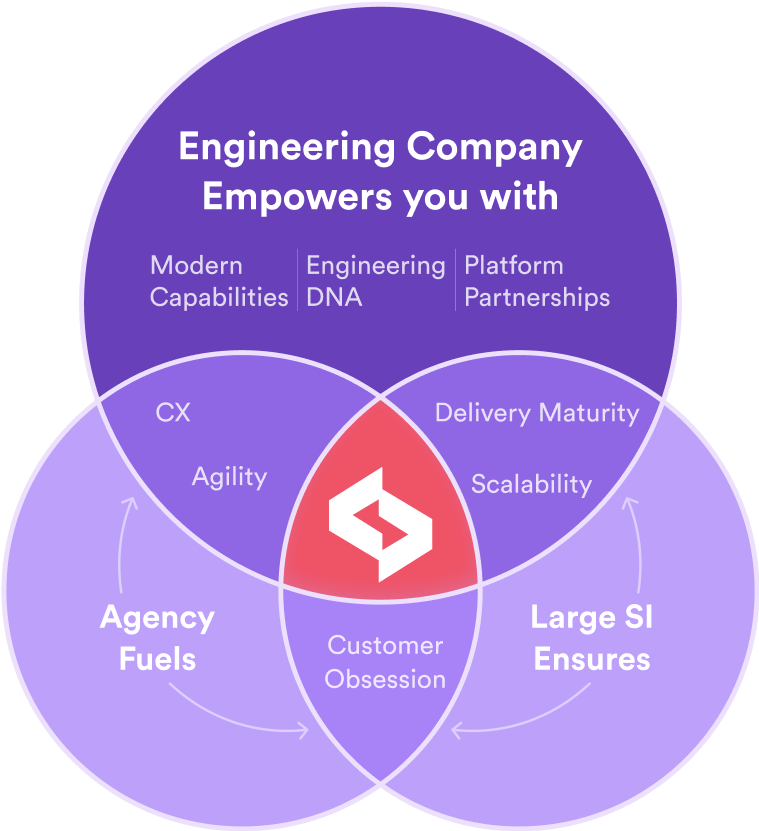
Simform is engineering company with powers of agency and large SI
Abhilash Kumar

Abhilash Kumar

Former Azure Architect

15+ years in cloud platforms

Jay Gajera

Jay Gajera

Principal Data Engineer

Databricks & PySpark expert

Andrew Mills

Andrew Mills

System Design Lead

Microservices & K8s specialist

Trusted by Engineers from

Cisco Twilio VMware Bank of America

Learning Module Overview

1. Cloud Architecture Patterns

Real-world AWS, Azure & GCP design decisions from 50+ production deployments

  • Multi-region failover strategies
  • Cost optimization techniques
  • Security best practices

2. Data Engineering at Scale

PySpark optimization, streaming pipelines, and lakehouse architectures

  • Handling 1TB+ datasets efficiently
  • Delta Lake implementation patterns
  • Real-time vs batch processing trade-offs

3. System Design Deep Dives

Design Twitter, Netflix, Uber from scratch with actual production constraints

  • CAP theorem in practice
  • Microservices vs monolith decisions
  • Kubernetes deployment strategies
Learning Platform - Start Your Journey

Welcome to Your Learning Journey

Choose your preferred learning path and start mastering new skills today!

Available Learning Modules

Web Development Fundamentals

Learn HTML, CSS, and JavaScript from scratch

Data Science Basics

Introduction to Python, statistics, and data analysis

Mobile App Development

Build native mobile apps with React Native

Machine Learning

Master ML algorithms and neural networks

Cloud Computing

Deploy and manage applications on AWS, Azure, and GCP

Cybersecurity Essentials

Learn to protect systems and networks from threats